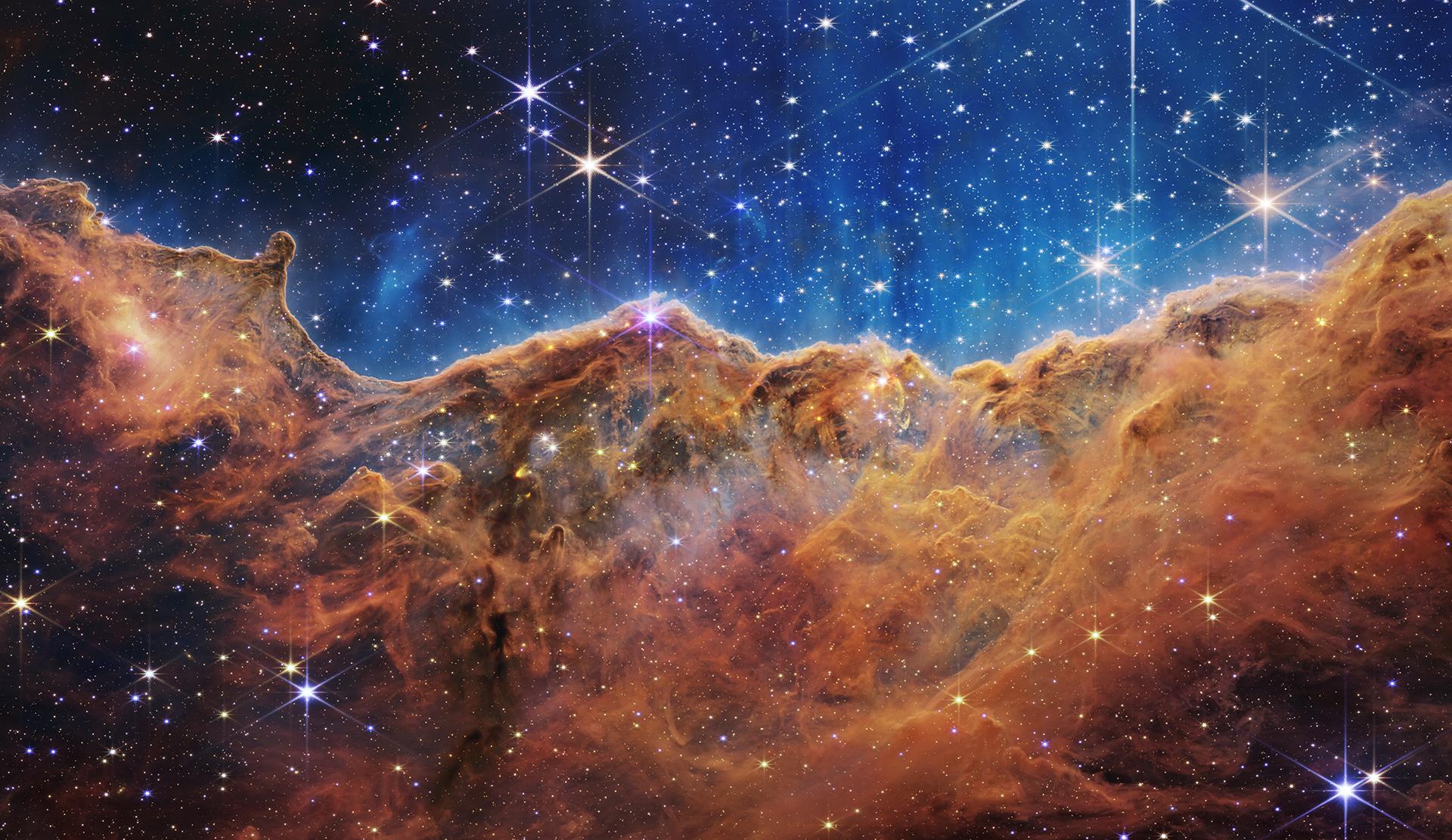
Royal Astronomical Society Specialist Discussion Meeting
Revealing Galaxies' Chemical Evolution with JWST: From the Milky Way to Distant Galaxies
Celebrating Five Years of JWST Science
About the meeting
The James Webb Space Telescope (JWST) has fundamentally transformed studies of galaxies and their chemical evolution. Its unprecedented sensitivity and angular resolution at infrared wavelengths enable detailed measurements of atomic and molecular emission lines and dust emission, providing powerful diagnostics of elemental abundances from the Milky Way to the most distant galaxies.
Infrared diagnostics uniquely accessible with JWST now allow robust measurements of chemical composition in stars and the interstellar medium (ISM) across a wide range of environments and cosmic epochs, while direct characterisation of dust thermal emission links resolved analyses of stars and the ISM to integrated measurements in galaxies at high redshift.
JWST was launched on 25 December 2021, with science operations beginning in mid-2022. As the community approaches the fifth anniversary of JWST science, the observatory has delivered a substantial scientific legacy. Early results were showcased at a Royal Astronomical Society Specialist Discussion Meeting in November 2022, capturing the promise of the first JWST observations.
Five years on, JWST science has matured considerably: major programmes have reported their results, analysis techniques and diagnostics have stabilised, and JWST observations are now placing strong constraints on models of galactic chemical evolution.
This Specialist Discussion Meeting is timed to mark and celebrate five years of JWST science. The meeting will bring together results across spatial scales, from resolved studies of stars and the ISM in the Milky Way and Local Group to integrated measurements of chemical abundances and dust in distant galaxies.
By providing a five-year perspective, the meeting will identify remaining challenges and outline priorities for the next phase of JWST exploitation.
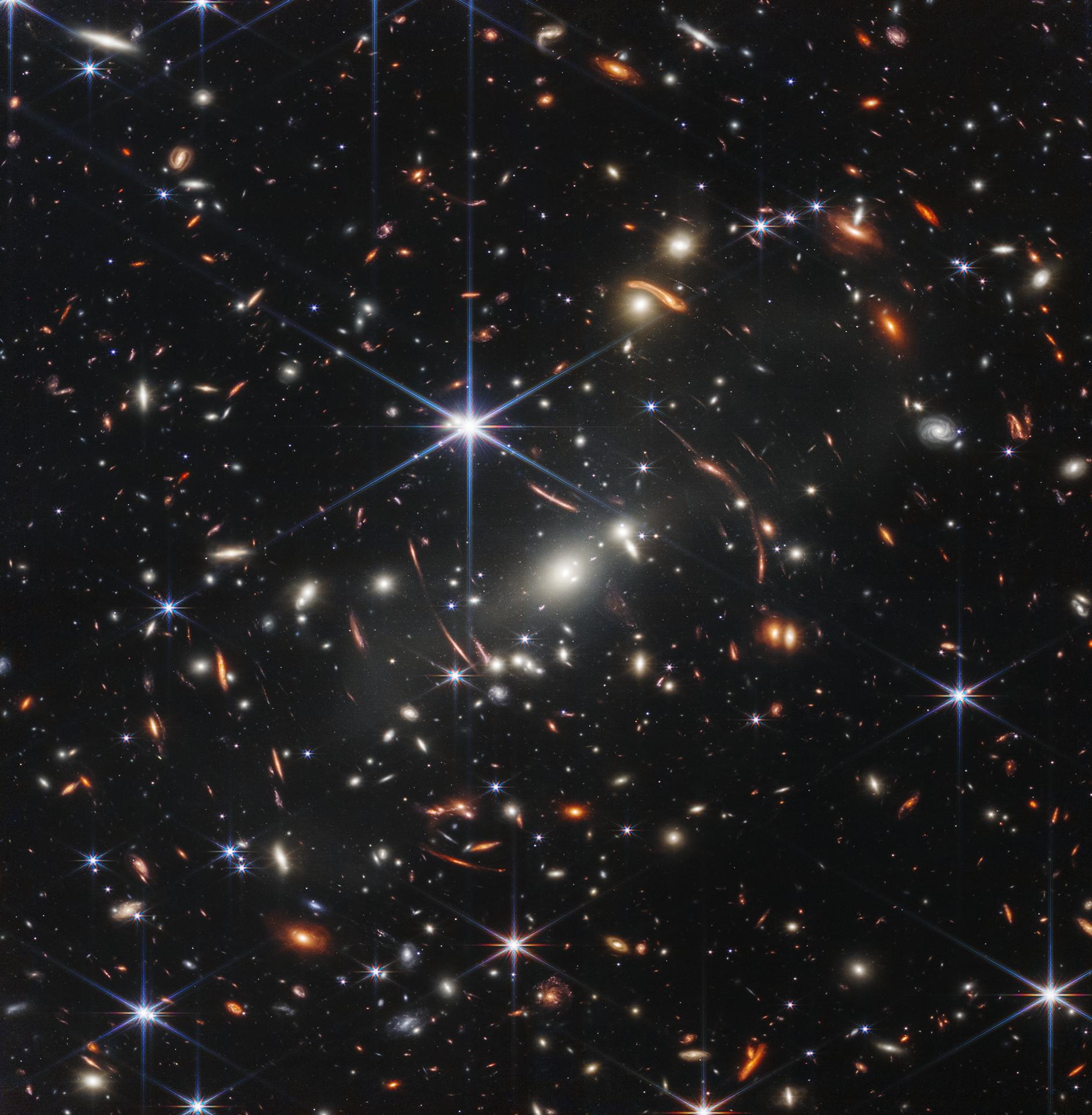
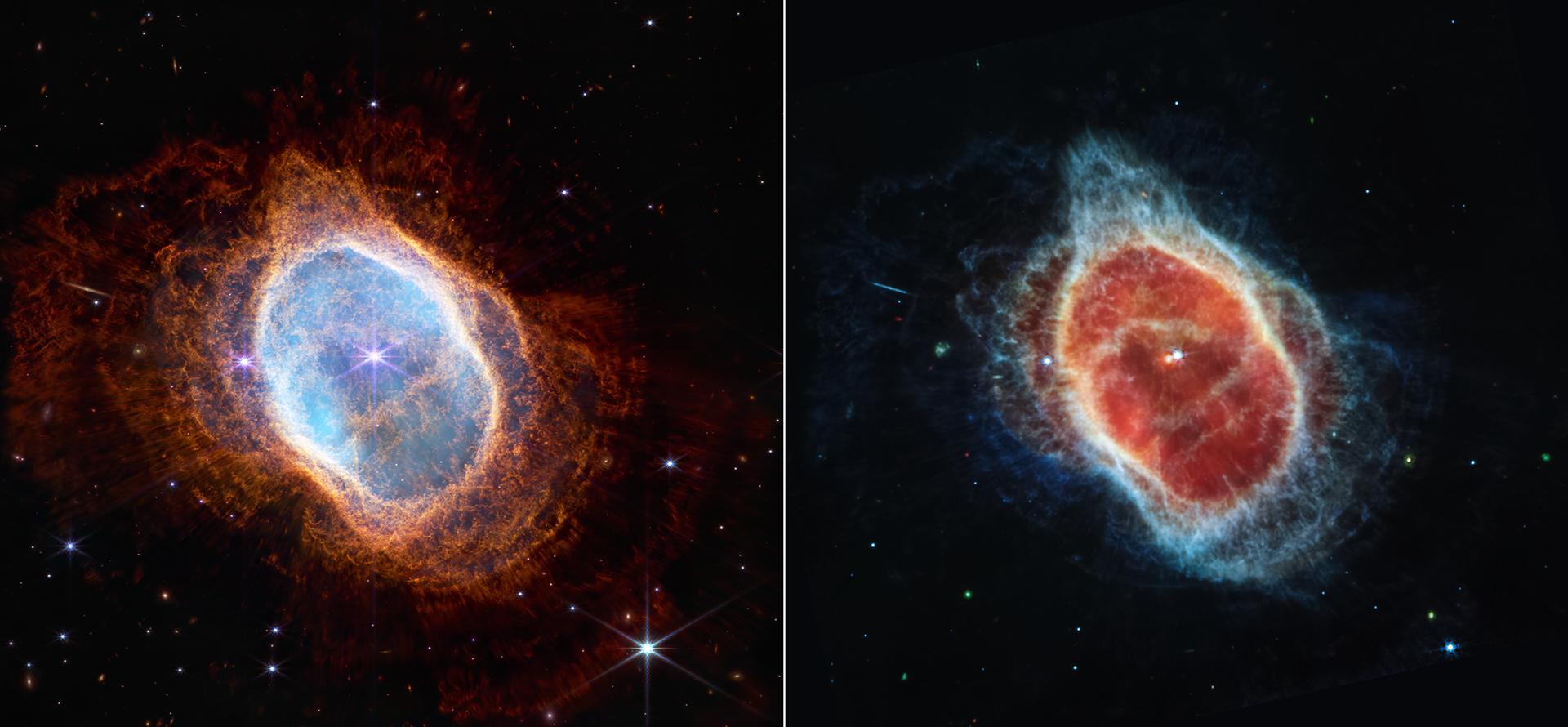
Call for abstracts
Abstracts are welcome for contributed talks related to:
- Galactic chemical evolution
- Abundance measurements
- Dust
- The interstellar medium (ISM)
- Stellar populations
- Related JWST science topics
Abstract submission deadline
Authors will be notified of the outcome of their abstract submission by approximately . We will contact all submitting authors by email once the review process is complete.
Registration
Registration is via the Royal Astronomical Society Meetings page.
Register for the meetingRegistration fees
- RAS Fellows Free
- Non-members £15
- Students £5
Provisional programme
The programme is provisional and will be updated as further talks are confirmed.
| Time | Activity |
|---|---|
| 10:00 – 10:30 | Coffee and registration |
| 10:30 – 13:00 | Morning session |
| 13:00 – 14:00 | Lunch |
| 14:00 – 15:30 | Afternoon session |
| 15:30 – 16:00 | Tea and discussion |
Invited speakers
- Emma Curtis Lake
- Thomas Stanton
Additional invited speakers will be added as they are confirmed.
Organisers
- Olivia Jones
- UK Astronomy Technology Centre
- Mikako Matsuura
- Cardiff University
- Chiaki Kobayashi
- University of Hertfordshire
- Gillian Wright
- UK Astronomy Technology Centre
- Veronika Dornan
- University of Edinburgh
- Chiara Crociati
- University of Edinburgh